

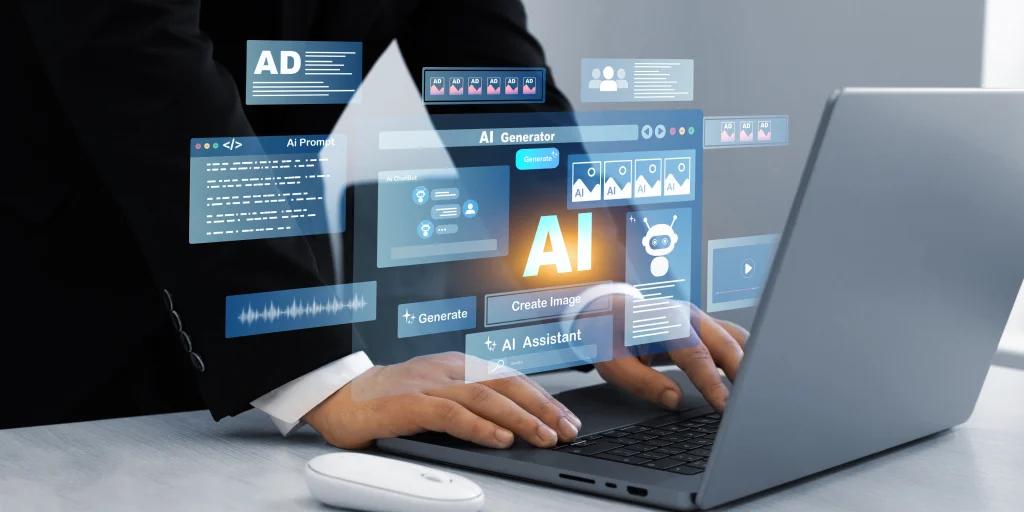
Visualize a world where seeking medical advice feels as easy as sending a text to your friend. One morning, you wake up with a sore throat and you simply reach out for your smartphone, instead of taking stress over scheduling an appointment or waiting for a callback. You type, "Hey HealthBuddy, I have got a sore throat and a headache. What should I do?" And within seconds, you receive personalized medical advice aligned to your symptoms. This is not science fiction but a reality created by AI-driven virtual assistants. These virtual assistants are significantly transforming the healthcare sector.
Impact of AI-based virtual assistants
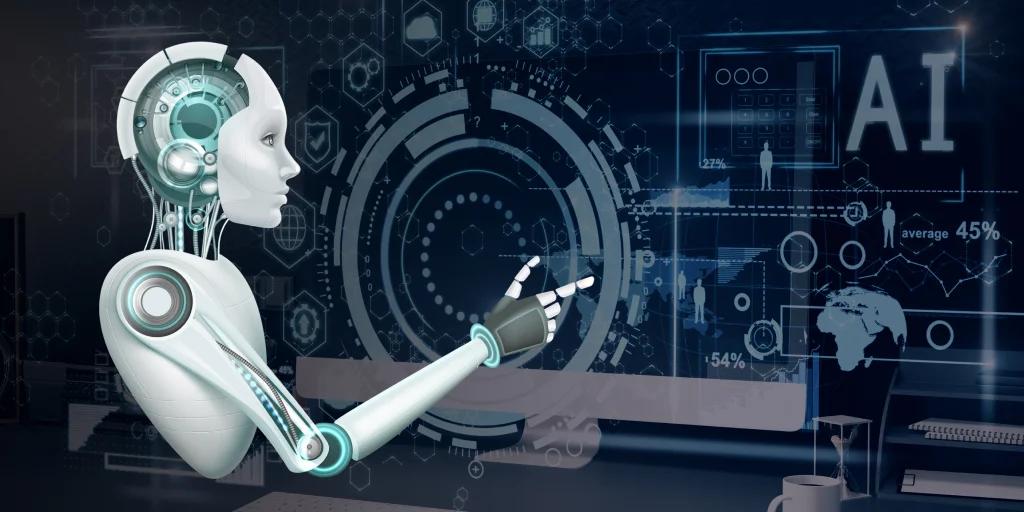
Virtual assistants enabled by artificial intelligence are sophisticated software programs that use AI algorithms to perform tasks that require human intervention. These tools are not only streamlining healthcare operations but also improving patient care in many ways that were not imagined a few years ago. Besides offering convenience, AI driven virtual assistants provide a multitude of benefits that are reshaping healthcare delivery. Here are some of the key impacts:
1. Instant access to information

One of the most significant advantages of AI assistants is their ability to provide immediate answers to health questions. We are living in a world where patients expect quick responses. Virtual assistants have been designed to help deliver reliable medical information in real time. According to AMA Digital Health Research survey, there has been a significant increase in physicians recognizing the benefits of digital health solutions, rising from 85% in 2016 to 93% in 2022. Nearly all patients (93%) expect healthcare organizations to use digital tools in interactions. This promptness reduces anxiety and empowers patients to take charge of their health.
2. Simplified appointment management
For most of us, scheduling medical appointments can be a tedious process. However, with the emergence of AI assistants, this process has been simplified to an extent. The virtual assistant helps patients book, change, or cancel appointments with just a few taps or voice commands. Consider a situation where you are booking your next check-up. You simply pick up your phone and say, “Book my next body check-up,” and your AI assistant takes care of all the details, streamlining the entire process for you. A study from the Massachusetts Institute of Technology (MIT) found that AI-driven scheduling systems can improve appointment booking efficiency by up to 40%, minimizing scheduling conflicts and improving patient flow.
3. Improved medication management
Virtual assistants can help patients manage their medications more effectively. They can send reminders when it is time to take a pill or refill a prescription, improving adherence to treatment plans. According to a report by the Pew Research Center, 72% of smartphone users who have health apps say they use them for medication reminders, showing a strong preference for tech-assisted adherence. For elderly patients, or those with chronic conditions, this feature can be life-changing.
Real world applications of AI assistants
Let's take a look at some of the innovative AI assistant applications that companies are using at present:
- Babylon health - This is a UK based health app that utilizes AI to provide medical consultations. Users can input their symptoms into a chatbot, which then assesses the information and offers advice on the next steps. With over 2 million app downloads, Babylon has become a reliable resource for those seeking accessible healthcare. The app also integrates video consultations with real doctors, blending technology with human expertise.
- Ada health - This is a health assessment tool that provides customized suggestions based on the symptoms listed by the users. In clinical studies, Ada's AI demonstrated an impressive accuracy compared to human doctors. This app aims to empower users by giving them a better understanding of their health conditions and the appropriate next steps to take.
- Microsoft's healthcare bot - Microsoft offers a customizable healthcare bot designed for organizations to amplify patient engagement. This AI assistant can respond to patient inquiries, provide health related information, and assist with prioritization. The major advantage of this bot is handling common patient questions, enabling healthcare providers to focus their resources on more complex cases. This bot is already being used in hospitals and clinics around the world to improve patient experiences.
- Buoy health - Buoy health takes a different approach by guiding users through a personalized health assessment based on their symptoms. The application helps users by asking specific questions about their health, making it easier to understand symptoms. Users can share their experiences and get insights into what might be causing their issues. Buoy then directs them to the best care options for their needs. The company also sends texts to check on the patient's health as a follow-up procedure. The AI program in the app continually learns from user interactions, refining its responses and improving accuracy over time.
Challenges to consider
Here are the potential challenges of AI-driven virtual assistants:
- Data privacy concerns
As healthcare organizations collect and analyze patient data, ensuring the privacy and security of this information is vital. Regulations such as HIPAA in the U.S. impose strict guidelines for handling sensitive patient information. A data breach of a patient's sensitive information could have serious consequences for both patients and healthcare service providers.
- Building trust with patients
Several patients may hesitate to rely on AI for their health concerns. It is imperative for healthcare organizations to build patient trust in emerging technologies for widespread adoption. They should focus on educating patients about the benefits of AI enabled healthcare solutions including virtual assistants.
- Integration with existing systems
Integrating AI assistants into existing healthcare infrastructure is a complex task. Organizations should ensure that these emerging technologies work seamlessly with electronic health records (EHR) and other software systems.
Conclusion
AI based virtual assistants are not just a passing trend instead they represent a fundamental shift in how healthcare is delivered. They reduce wait times, enhance engagement, and empower individuals to take charge of their health. For healthcare providers, AI assistants streamline operations and help professionals focus on more intricate patient needs. So, the next time you have a health question, do not be surprised if your first stop is a virtual assistant instead of the doctor’s office.

Careerera Content Team
The Careerera Team is a talented collective of experienced content writers, researchers, and industry contributors passionate about creating insightful and engaging content for today’s learners and professionals. With expertise spanning trending technologies, AI, ML, data science, cybersecurity, management, business, and humanities, our writers bring deep subject knowledge and practical industry perspective to every piece they publish.
With extensive experience in content writing, the team excels at transforming complex subjects into clear, engaging, and reader-centric content. Careerera’s skilled writers are dedicated to creating high-quality resources that educate, inspire, and empower professionals worldwide.
Learn how we research, review, and update our content. Editorial Standards & Review Process.
Latest Blogs
8 Why Your PMO Is Dying, and How PRINCE2 7 Could Save It
 Is PRINCE2 Certification Still Worth It in 2026? An Honest ROI Breakdown
 Top 20 Toughest Exams in the World 2026: Students Guide
 $100 Billion AI Automation Boom: Why Businesses Are Investing More in 2026
 CISSP vs. CISA: Which Cybersecurity Certification Controls Your Career?
 What is Continual Learning in AI and Machine Learning?
  What are the Major Benefits of Online DBA Programs?
 CMAT 2027: Exam Date, Syllabus, Exam Pattern, Preparation Tips & FAQs
Featured Courses

Visualize a world where seeking medical advice feels as easy as sending a text to your friend. One morning, you wake up with a sore throat and you simply reach out for your smartphone, instead of taking stress over scheduling an appointment or waiting for a callback. You type, "Hey HealthBuddy, I have got a sore throat and a headache. What should I do?" And within seconds, you receive personalized medical advice aligned to your symptoms. This is not science fiction but a reality created by AI-driven virtual assistants. These virtual assistants are significantly transforming the healthcare sector.
Impact of AI-based virtual assistants
Virtual assistants enabled by artificial intelligence are sophisticated software programs that use AI algorithms to perform tasks that require human intervention. These tools are not only streamlining healthcare operations but also improving patient care in many ways that were not imagined a few years ago. Besides offering convenience, AI driven virtual assistants provide a multitude of benefits that are reshaping healthcare delivery. Here are some of the key impacts:
1. Instant access to information
One of the most significant advantages of AI assistants is their ability to provide immediate answers to health questions. We are living in a world where patients expect quick responses. Virtual assistants have been designed to help deliver reliable medical information in real time. According to AMA Digital Health Research survey, there has been a significant increase in physicians recognizing the benefits of digital health solutions, rising from 85% in 2016 to 93% in 2022. Nearly all patients (93%) expect healthcare organizations to use digital tools in interactions. This promptness reduces anxiety and empowers patients to take charge of their health.
2. Simplified appointment management
For most of us, scheduling medical appointments can be a tedious process. However, with the emergence of AI assistants, this process has been simplified to an extent. The virtual assistant helps patients book, change, or cancel appointments with just a few taps or voice commands. Consider a situation where you are booking your next check-up. You simply pick up your phone and say, “Book my next body check-up,” and your AI assistant takes care of all the details, streamlining the entire process for you. A study from the Massachusetts Institute of Technology (MIT) found that AI-driven scheduling systems can improve appointment booking efficiency by up to 40%, minimizing scheduling conflicts and improving patient flow.
3. Improved medication management
Virtual assistants can help patients manage their medications more effectively. They can send reminders when it is time to take a pill or refill a prescription, improving adherence to treatment plans. According to a report by the Pew Research Center, 72% of smartphone users who have health apps say they use them for medication reminders, showing a strong preference for tech-assisted adherence. For elderly patients, or those with chronic conditions, this feature can be life-changing.
Real world applications of AI assistants
Let's take a look at some of the innovative AI assistant applications that companies are using at present:
- Babylon health - This is a UK based health app that utilizes AI to provide medical consultations. Users can input their symptoms into a chatbot, which then assesses the information and offers advice on the next steps. With over 2 million app downloads, Babylon has become a reliable resource for those seeking accessible healthcare. The app also integrates video consultations with real doctors, blending technology with human expertise.
- Ada health - This is a health assessment tool that provides customized suggestions based on the symptoms listed by the users. In clinical studies, Ada's AI demonstrated an impressive accuracy compared to human doctors. This app aims to empower users by giving them a better understanding of their health conditions and the appropriate next steps to take.
- Microsoft's healthcare bot - Microsoft offers a customizable healthcare bot designed for organizations to amplify patient engagement. This AI assistant can respond to patient inquiries, provide health related information, and assist with prioritization. The major advantage of this bot is handling common patient questions, enabling healthcare providers to focus their resources on more complex cases. This bot is already being used in hospitals and clinics around the world to improve patient experiences.
- Buoy health - Buoy health takes a different approach by guiding users through a personalized health assessment based on their symptoms. The application helps users by asking specific questions about their health, making it easier to understand symptoms. Users can share their experiences and get insights into what might be causing their issues. Buoy then directs them to the best care options for their needs. The company also sends texts to check on the patient's health as a follow-up procedure. The AI program in the app continually learns from user interactions, refining its responses and improving accuracy over time.
Challenges to consider
Here are the potential challenges of AI-driven virtual assistants:
- Data privacy concerns
As healthcare organizations collect and analyze patient data, ensuring the privacy and security of this information is vital. Regulations such as HIPAA in the U.S. impose strict guidelines for handling sensitive patient information. A data breach of a patient's sensitive information could have serious consequences for both patients and healthcare service providers.
- Building trust with patients
Several patients may hesitate to rely on AI for their health concerns. It is imperative for healthcare organizations to build patient trust in emerging technologies for widespread adoption. They should focus on educating patients about the benefits of AI enabled healthcare solutions including virtual assistants.
- Integration with existing systems
Integrating AI assistants into existing healthcare infrastructure is a complex task. Organizations should ensure that these emerging technologies work seamlessly with electronic health records (EHR) and other software systems.
Conclusion
AI based virtual assistants are not just a passing trend instead they represent a fundamental shift in how healthcare is delivered. They reduce wait times, enhance engagement, and empower individuals to take charge of their health. For healthcare providers, AI assistants streamline operations and help professionals focus on more intricate patient needs. So, the next time you have a health question, do not be surprised if your first stop is a virtual assistant instead of the doctor’s office.
Latest Blogs
8- Why Your PMO Is Dying, and How PRINCE2 7 Could Save It
- Is PRINCE2 Certification Still Worth It in 2026? An Honest ROI Breakdown
- Top 20 Toughest Exams in the World 2026: Students Guide
- $100 Billion AI Automation Boom: Why Businesses Are Investing More in 2026
- CISSP vs. CISA: Which Cybersecurity Certification Controls Your Career?
- What is Continual Learning in AI and Machine Learning?
- What are the Major Benefits of Online DBA Programs?
- CMAT 2027: Exam Date, Syllabus, Exam Pattern, Preparation Tips & FAQs
Careerera Content Team
The Careerera Team is a talented collective of experienced content writers, researchers, and industry contributors passionate about creating insightful and engaging content for today’s learners and professionals. With expertise spanning trending technologies, AI, ML, data science, cybersecurity, management, business, and humanities, our writers bring deep subject knowledge and practical industry perspective to every piece they publish.
With extensive experience in content writing, the team excels at transforming complex subjects into clear, engaging, and reader-centric content. Careerera’s skilled writers are dedicated to creating high-quality resources that educate, inspire, and empower professionals worldwide.
Learn how we research, review, and update our content. Editorial Standards & Review Process.